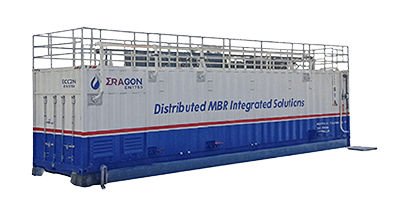
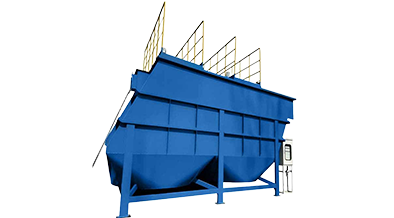
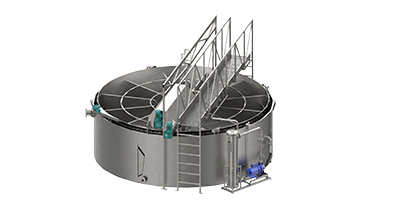
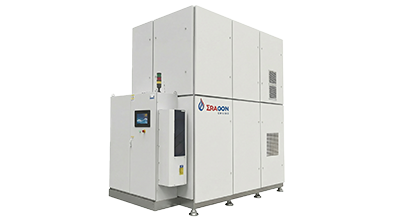
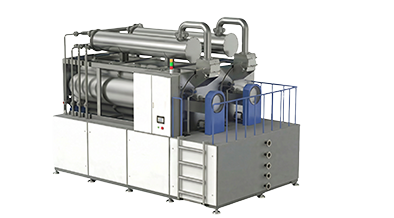
Equipment & System Packages

Engineered products for industrial water, wastewater reuse, and ZLD applications
ERAGON ENVIRO TECH

ERAGON ENVIRO TECH

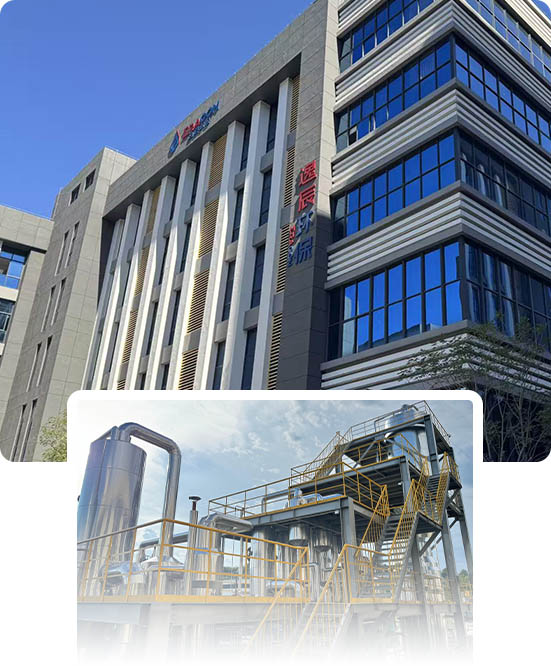
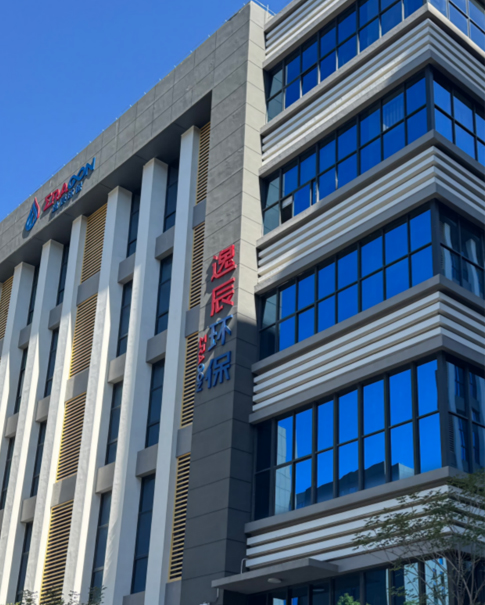
ERAGON ENVIRO TECH is a water treatment system manufacturer and EPC contractor based in Xiamen, China. With 20+ years of experience, we deliver engineered solutions for industrial water treatment, ultrapure water (UPW), wastewater reuse, MLD, and ZLD. Backed by in-house engineering and manufacturing, we support global clients with reliable project delivery and long-term operational performance.
200
200+

Projects

5000
5000+ m²

Manufacturing Base

150k
150k+ m³/d

Total Delivered Capacity

Check Company Profile

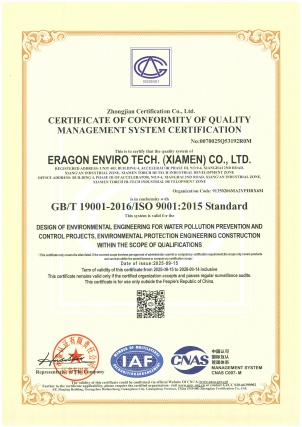
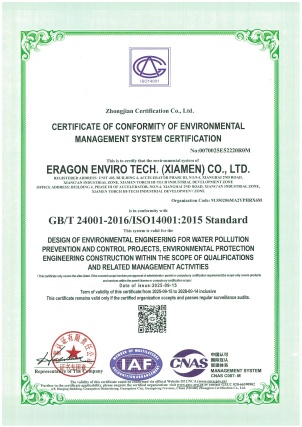
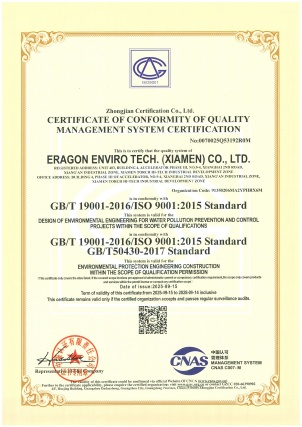
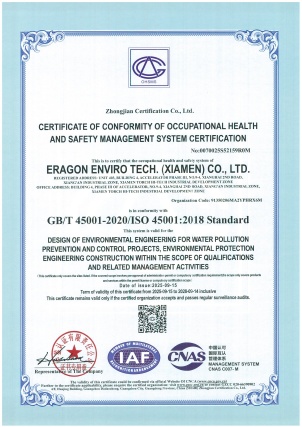
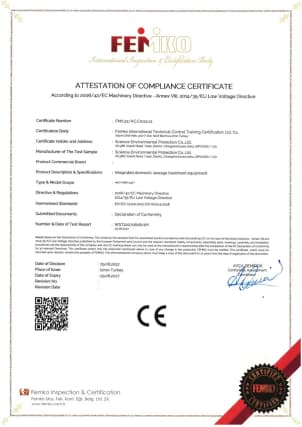
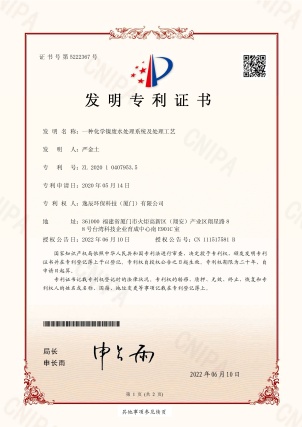
Our Certifications

ISO 9001
ISO 14001
ISO 9001
ISO 45001
CE
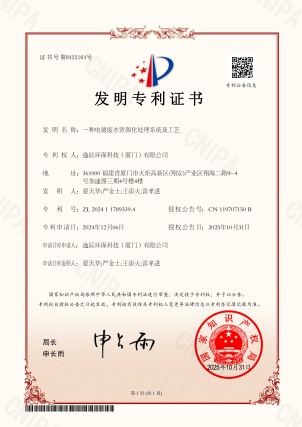
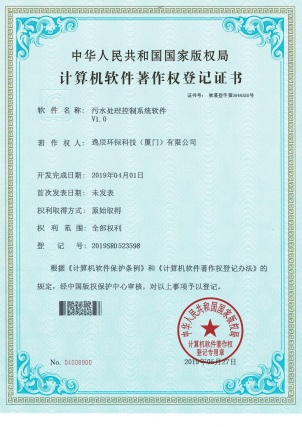
Patent-Chemical Plating Wastewater Treatment Systems
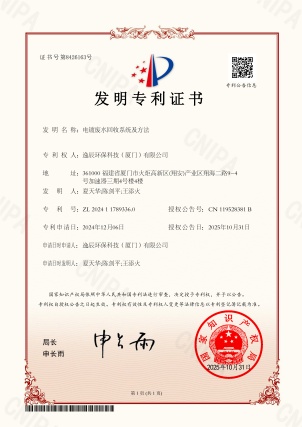
Patent-Electroplating Wastewater Resource Recovery Systems
Patent-Electroplating Wastewater Recycling Systems
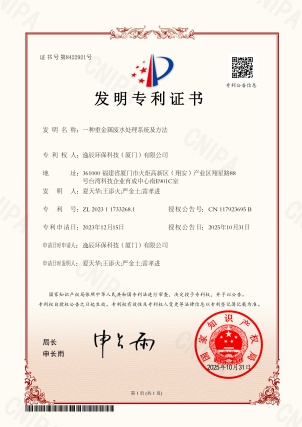
Patent-Heavy Metal Wastewater Treatment Systems
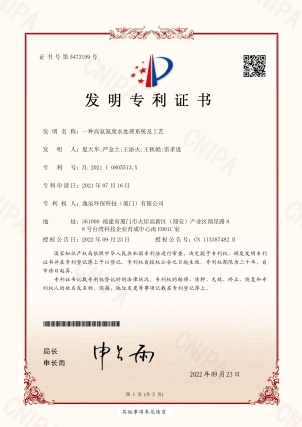
Patent-High-Ammonia Nitrogen Wastewater Treatment Systems
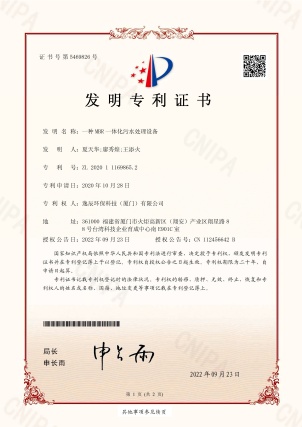
Patent-Integrated MBR Wastewater Treatment Systems
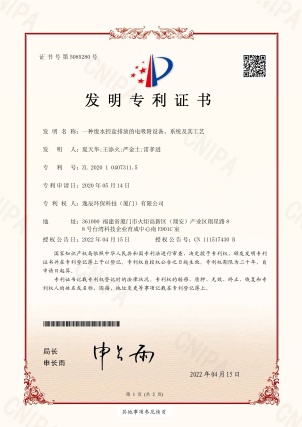
Patent-Electro-adsorption Systems For Controlled Discharge
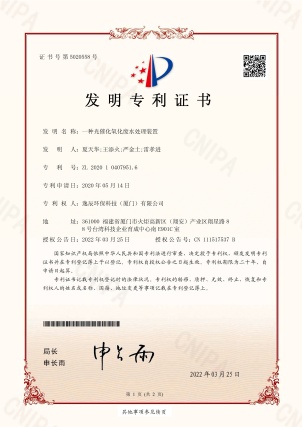
Patent-Photocatalytic Oxidation Wastewater Treatment Technologies
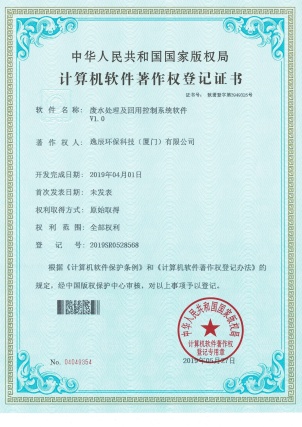
Patent-Wastewater Treatment Control Systems
Patent-Water Reuse and Recycling Control Platforms

Trusted by Global Industrial Partners

Collaborating with trusted partners worldwide to deliver reliable and sustainable water treatment solutions

Engineered Water & Wastewater Solutions for Industrial & Advanced Applications

We deliver industrial water and wastewater systems—from process design and equipment manufacturing to EPC project execution and long-term operation support
Core Technologies
Wastewater Treatment Wastewater Treatment
Wastewater Treatment
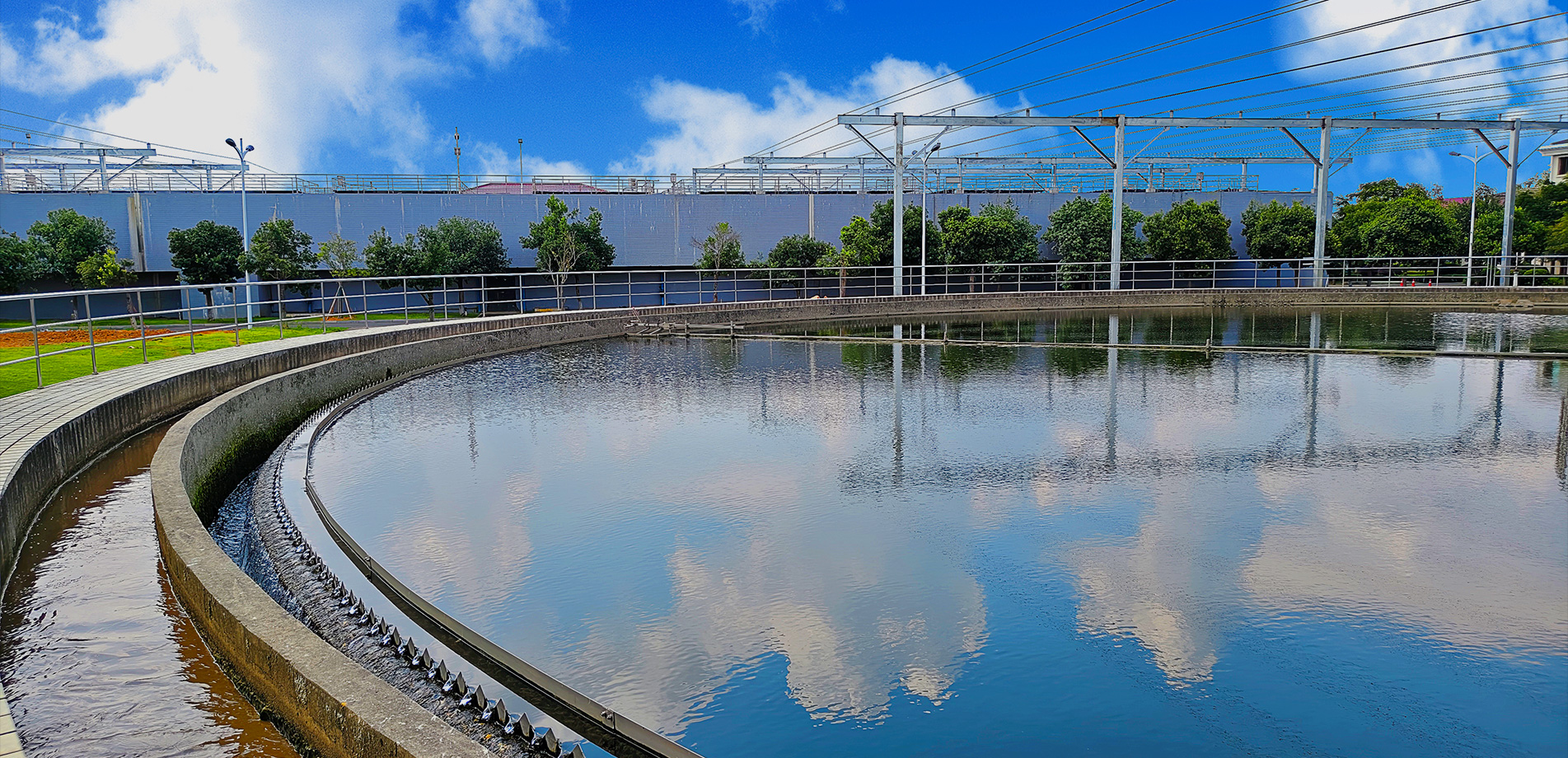
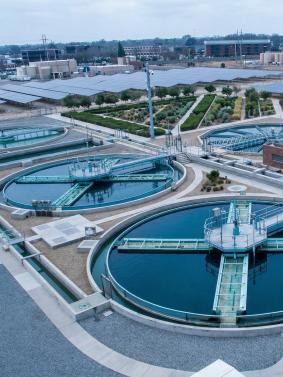
We provide engineered solutions for treating complex industrial wastewater containing high COD, heavy metals, oil, and toxic compounds. Our processes combine physical, chemical, and biological treatment to ensure stable compliance with local discharge regulations and long-term operational reliability.  
Learn more
Water Reuse & Recycling Water Reuse & Recycling
Water Reuse & Recycling
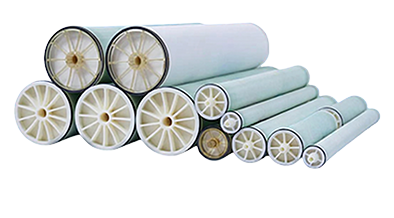
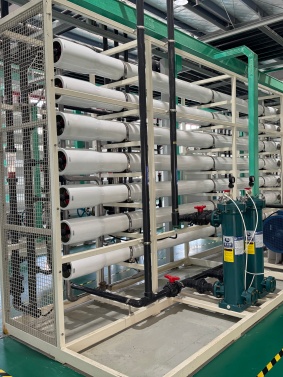
Designed to reduce freshwater consumption, our water reuse systems recover high-quality water from industrial effluent for production reuse. Through optimized membrane separation and polishing processes, we help clients lower operating costs while improving water sustainability.  
Learn more
ZLD / MLD (Zero & Minimal Liquid Discharge) ZLD / MLD (Zero & Minimal Liquid Discharge)
ZLD / MLD (Zero & Minimal Liquid Discharge)
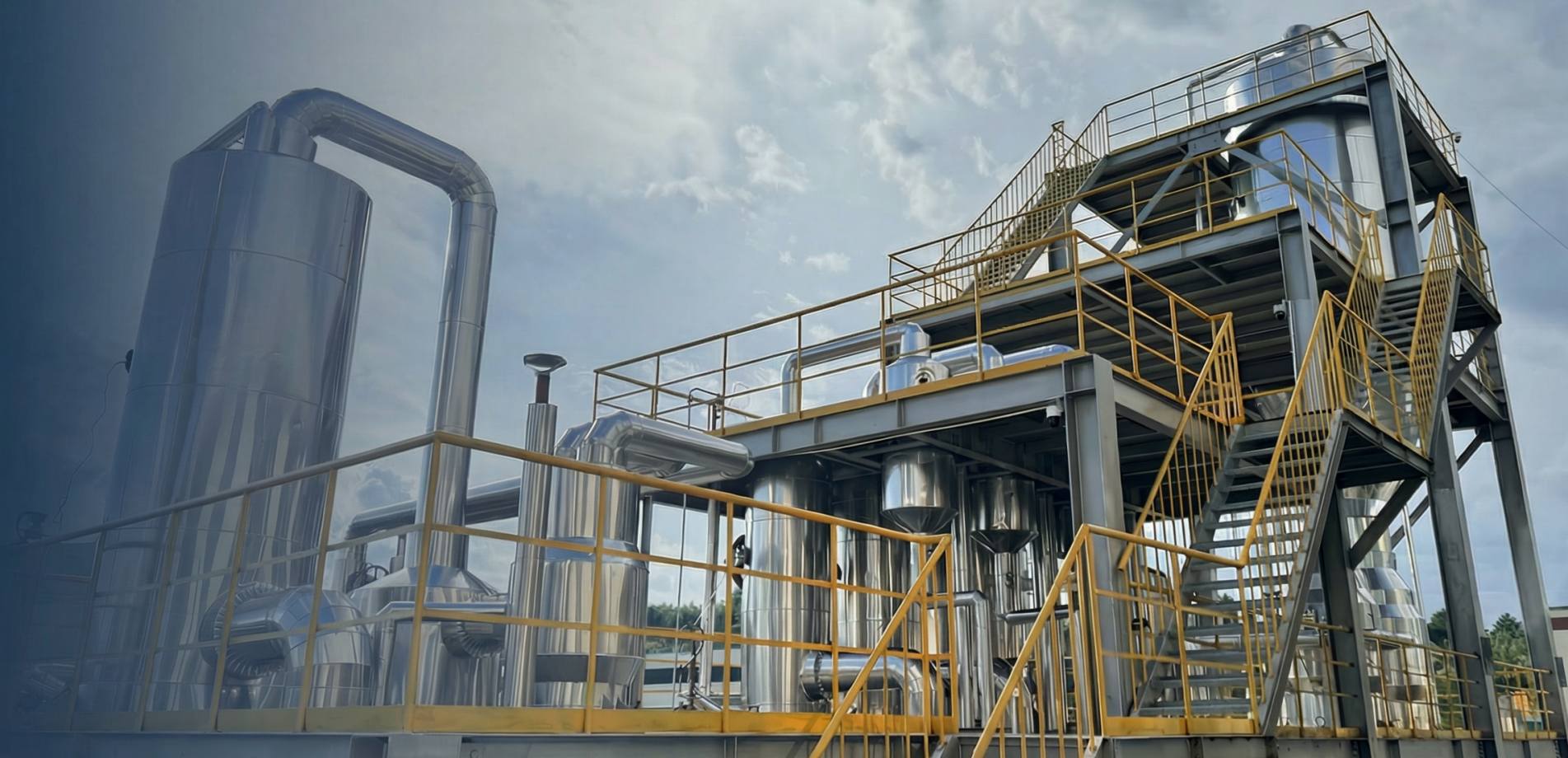
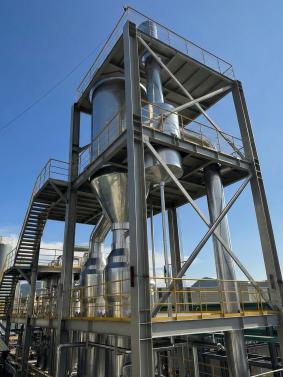
Our ZLD and MLD solutions minimize or eliminate wastewater discharge by integrating membrane separation, evaporation, and crystallization technologies. These systems are widely applied in high-salinity and water-scarce regions, ensuring regulatory compliance and maximum water recovery.  
Learn more
Resource Recovery Resource Recovery
Resource Recovery
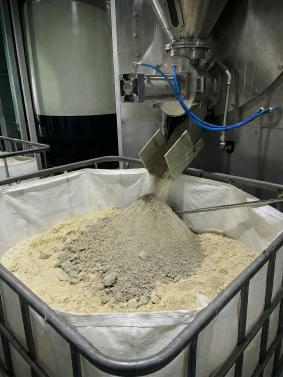
We enable the recovery of valuable resources such as salts, acids, alkalis, and metals from industrial wastewater streams. By converting waste into reusable materials, our solutions support circular economy goals and improve overall project economics.  
Learn more
Pure Water & Ultrapure Water Pure Water & Ultrapure Water
Pure Water & Ultrapure Water
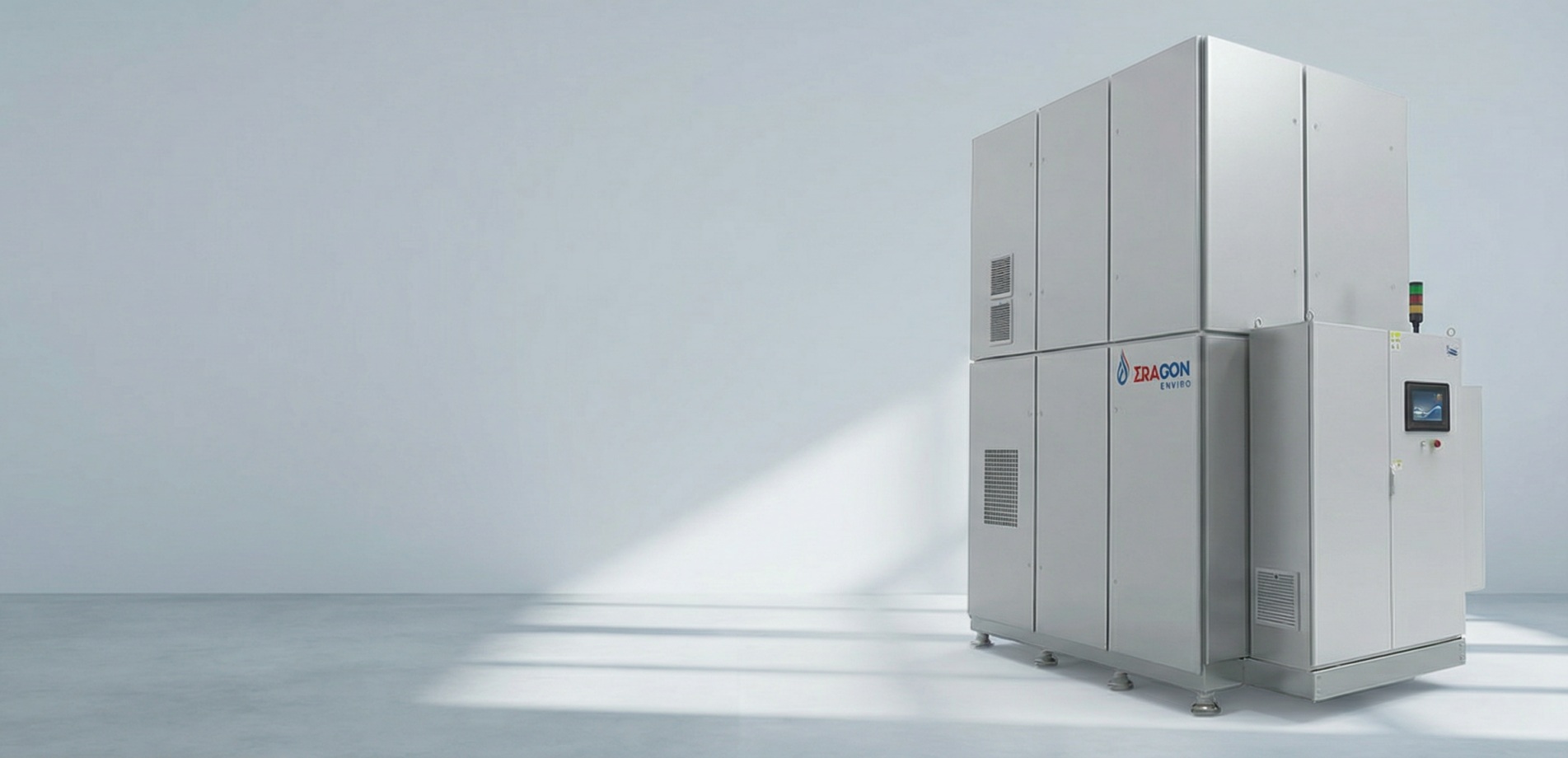
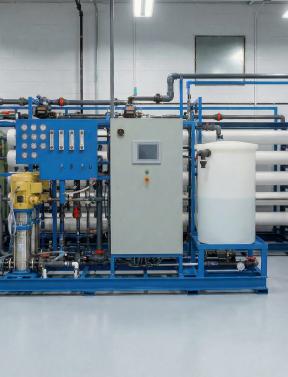
We deliver pure water and ultrapure water systems tailored for electronics, semiconductor, energy, and advanced manufacturing industries. Our solutions meet stringent quality requirements through multi-stage membrane separation and precision polishing technologies.    
Learn more
Explore More

Explore Our Latest

Industry insights, solutions, and water treatment expertise

CIBF2026 | Exhibiting Water Treatment Solutions for the Battery Industry

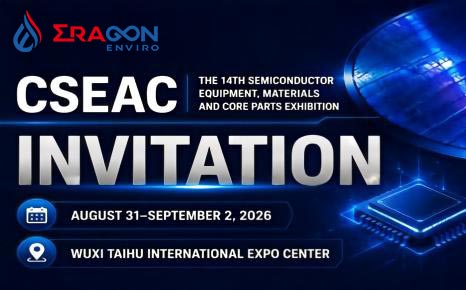
The 18th China International Battery Fair (CIBF 2026) will be held from May 13 to May 15, 2026, at the Shenzhen World Exhibition & Convention Center. As a technology-oriented provider of industrial water treatment and resource recovery solutions for the new energy sector, Eragon Environmental has been a long-term participant of the CIBF exhibition, supporting water system requirements across lithium battery manufacturing and related industries. At CIBF2026, we will present our integrated solutions for industrial wastewater treatment and water reuse within the battery value chain. Our focus includes wastewater minimization, resource recovery, and process water optimization, supported by engineered system integration and advanced membrane technologies. These solutions are designed to improve water efficiency, reduce operational costs, and ensure stable and reliable water supply for industrial production environments. We welcome industry partners to visit our booth and exchange insights on sustainable water management in the battery manufacturing sector.   📍 Booth Information Hall #10 | Booth #10T073 May 13–15, 2026 Shenzhen World Exhibition & Convention Center  
Learn more
Factors Affecting Long-Term OPEX in ZLD Systems

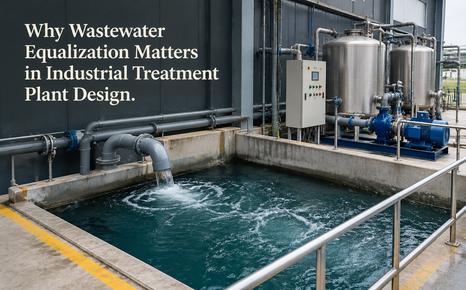
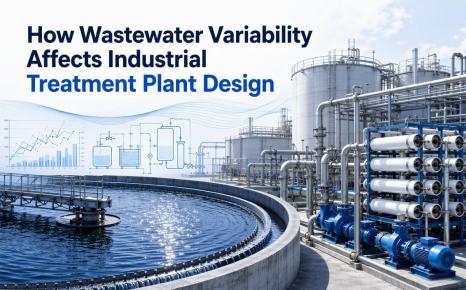
Zero liquid discharge (ZLD) systems are increasingly adopted in industries facing strict environmental regulations and water scarcity. While much attention is given to capital investment, the real challenge often lies in controlling long-term operating expenditure (OPEX) in ZLD systems.   From an engineering perspective, ZLD is not a single technology—it is a complex, multi-stage system where small design decisions can significantly impact long-term costs.   1. Pretreatment Efficiency and Stability One of the most critical factors affecting ZLD system operating costs is the quality of pretreatment.   In a surface treatment industrial project, wastewater contained heavy metals, oils, and suspended solids. During early operation, incomplete pretreatment led to unstable downstream performance and increased chemical consumption.   After optimizing coagulation, flocculation, and solid–liquid separation, the system stabilized. This resulted in: Reduced chemical usage Lower maintenance frequency Improved overall efficiency   This reinforces a key principle: strong pretreatment reduces the load—and cost—of all downstream processes in a ZLD system.   2. Water Recovery Strategy Maximizing water recovery is often seen as the main goal in ZLD wastewater treatment systems, but pushing recovery too high can increase OPEX.   As recovery increases, scaling risks rise, leading to: Higher chemical dosing Frequent cleaning cycles Increased energy consumption   In practice, the most cost-effective systems are not those with the highest recovery, but those with balanced recovery optimized for stable operation.   This is especially important in high recovery water reuse system design, where long-term performance matters more than short-term targets.   3. Energy Consumption in Concentrate Treatment Energy is one of the largest contributors to ZLD system lifecycle cost.   Thermal processes used in concentrate treatment can significantly impact OPEX if not properly integrated. One common optimization strategy is to reduce the volume entering high-energy stages by improving upstream efficiency.   In one project, improving front-end separation and system integration reduced the load on downstream concentration units, resulting in noticeable energy savings over time.   This reflects a broader engineering approach: optimize upstream processes to minimize energy-intensive operations downstream.   4. System Integration and Equipment Selection ZLD systems are often composed of multiple technologies, and poor integration between them can increase operating costs.   Using modular or integrated water treatment equipment can improve process efficiency and reduce complexity in operation and maintenance.   ⇒Related solution: Integrated Water Treatment Systems   In projects where equipment integration is well-designed, operators benefit from: Simplified control Lower maintenance requirements More predictable performance   5. Handling Variability in Wastewater Industrial wastewater rarely remains constant. Variations in flow and composition can significantly affect system performance.   Systems designed without sufficient flexibility often require: Increased chemical dosing Manual intervention Frequent adjustments   In contrast, systems that include equalization, buffer capacity, and flexible control strategies tend to maintain stable performance and lower long-term ZLD operating costs.   6. Sludge and Residual Waste Management Another often overlooked cost factor is the handling of sludge and solid residues.   Improper sludge management can increase disposal costs and create operational challenges. Efficient dewatering and reduction of sludge volume are essential for controlling total OPEX.   From a lifecycle perspective, residual waste management is as important as liquid treatment in ZLD systems.   In practice, controlling long-term OPEX in ZLD systems is not achieved through a single optimization, but through a combination of design and operational strategies.   Successful systems typically: Emphasize stable pretreatment Balance water recovery and system reliability Optimize energy use through process integration Use modular or integrated equipment where appropriate Account for variability in wastewater conditions   Facilities that focus only on achieving ZLD without considering long-term operation often face rising costs, while those that design for stability and efficiency achieve better results over time.   FAQ Q: What is the main driver of OPEX in ZLD systems? A: Energy consumption, chemical usage, and system stability are the main drivers of operating costs.   Q: How can ZLD operating costs be reduced? A: Costs can be reduced by improving pretreatment, optimizing recovery rates, reducing load on high-energy processes, and designing for stable long-term operation.
Learn more
Common Compliance Risks in Industrial Water Projects

Compliance is one of the most critical aspects of any industrial water project. While system design often focuses on meeting discharge standards, many facilities face challenges not at commissioning—but during operation. Understanding common compliance risks in industrial water projects is essential to ensure long-term stability and avoid costly penalties.   Risk 1: Inconsistent Effluent Quality One of the most frequent issues in industrial wastewater compliance is unstable effluent quality.   In many projects, systems are designed based on average wastewater conditions. However, real production environments are dynamic. Variations in flow rate, pollutant concentration, and chemical dosing can lead to fluctuations in treated water quality.   In a surface treatment industrial park project, wastewater composition varied significantly due to multiple electroplating processes. During early operation, this variability caused occasional exceedance of discharge limits.   After optimizing equalization capacity and pretreatment control, the system achieved stable compliance. This highlights an important lesson: compliance depends on stability, not just design specifications.   Risk 2: Inadequate Pretreatment Design Poor pretreatment is one of the leading causes of compliance failure.   If heavy metals, suspended solids, or oils are not effectively removed at the front end, downstream processes—especially membrane systems—may underperform. This can result in incomplete removal of contaminants and non-compliant discharge.   From an engineering perspective, robust pretreatment is the foundation of regulatory compliance in wastewater treatment systems.   Risk 3: Over-Reliance on a Single Technology Another common issue in industrial water treatment system design is relying too heavily on a single process.   For example, using only membrane systems without sufficient upstream treatment may lead to fouling and reduced efficiency. Similarly, relying solely on chemical treatment may not achieve the required removal of dissolved contaminants.   Effective systems typically integrate multiple processes: Pretreatment → Clarification → Filtration → Advanced Treatment   ⇒Related solution: Industrial Reverse Osmosis Systems   A multi-stage design improves both performance and compliance reliability.   Risk 4: Poor Concentrate and Sludge Management Compliance is not only about treated water—it also involves handling residual waste streams such as sludge and concentrate.   In high-recovery systems, particularly those aiming for zero liquid discharge (ZLD), improper management of concentrated brine can create compliance risks.   Evaporation technologies are often used to reduce liquid waste volume and ensure proper disposal.   ⇒Learn more about: MVR Evaporation Systems   Failing to address concentrate handling early in the design phase can lead to operational bottlenecks and regulatory issues later.   Risk 5: Lack of Operational Flexibility Many compliance failures occur because systems are designed for fixed conditions but operate under variable loads.   Industrial processes rarely run at constant capacity. Without flexibility—such as adjustable dosing, buffer capacity, or modular design—systems may struggle to maintain compliance during peak or low-load conditions.   In practice, systems that include equalization, flexible control strategies, and contingency design are more resilient and better able to meet discharge requirements consistently.   Engineering Perspective From an engineering standpoint, compliance is not achieved by design alone—it is maintained through operation.   Projects that consistently meet industrial wastewater discharge standards typically share these characteristics: Stable and well-designed pretreatment Integrated multi-stage treatment processes Proper handling of sludge and concentrate Flexible operation to handle variability Continuous monitoring and adjustment   Facilities that focus only on initial compliance during commissioning often face challenges later, while those that design for long-term operation are more likely to maintain compliance over time.   FAQ Q: What is the biggest compliance risk in industrial wastewater treatment? A: Unstable operation is often the biggest risk, as it leads to fluctuations in effluent quality and potential exceedance of discharge limits.   Q: How can compliance risks be reduced? A: Compliance risks can be reduced through proper system design, robust pretreatment, multi-stage treatment integration, and ongoing operational control.
Learn more
When Is Evaporation Required in Industrial Wastewater Treatment?

Evaporation is not always the first choice in industrial wastewater treatment, but in certain conditions, it becomes essential. As discharge regulations tighten and water reuse targets increase, more facilities are turning to evaporation technologies in wastewater treatment to handle streams that conventional methods cannot treat effectively.   Understanding when evaporation is required in industrial wastewater treatment is critical for selecting the right process and avoiding unnecessary capital and operating costs.   When Conventional Treatment Reaches Its Limits Most industrial wastewater treatment systems rely on physical, chemical, and biological processes. These methods are effective for removing suspended solids, organics, and some dissolved contaminants. However, they have limitations—especially when dealing with high total dissolved solids (TDS).   In projects involving electroplating or metal finishing, wastewater often contains high concentrations of dissolved salts and heavy metals. Even after pretreatment and membrane filtration, a concentrated brine stream remains.   In one surface treatment industrial park project, the treatment system achieved stable performance with chemical pretreatment and reverse osmosis (RO). However, as water reuse targets increased, the remaining concentrate became a critical issue. Discharge was no longer feasible due to regulatory constraints.   At this stage, evaporation was introduced as a necessary step to manage the concentrate and achieve higher overall water recovery.   When High Water Recovery or ZLD Is Required Evaporation becomes essential when facilities aim for high recovery water reuse systems or zero liquid discharge (ZLD).   Membrane technologies such as RO can typically recover a significant portion of water, but they cannot eliminate dissolved solids. As recovery rates increase, the concentration of salts in the remaining brine rises rapidly, limiting further membrane performance.   Evaporation systems, particularly mechanical vapor recompression (MVR) evaporators, are designed to handle this high-salinity stream by separating water from dissolved solids through thermal processes.   ⇒Learn more about evaporation technology: MVR Evaporation Systems   By integrating evaporation after membrane treatment, facilities can significantly increase water recovery and move closer to ZLD.   When Wastewater Has High Salinity or Complex Composition Another key scenario where evaporation is required is when wastewater contains: High salinity (high TDS) Non-biodegradable compounds Mixed industrial contaminants   These characteristics are common in industries such as: Electroplating and surface treatment Chemical manufacturing Semiconductor production Mining and metallurgy   In such cases, traditional biological treatment is ineffective, and even advanced membrane systems may face scaling or fouling issues. Evaporation provides a robust solution for high-salinity wastewater treatment, capable of handling challenging feedwater conditions.   When Disposal Costs and Risks Are High In some regions, the cost of transporting and disposing of liquid waste is increasing rapidly. Facilities may also face regulatory risks associated with liquid discharge.   In these situations, evaporation can reduce wastewater volume significantly, converting liquid waste into a smaller amount of solid residue. This not only reduces disposal costs but also minimizes environmental risk.   From an engineering perspective, evaporation is often justified not just by treatment performance, but by overall lifecycle cost and compliance risk reduction.   Integration with Membrane Systems In modern industrial water systems, evaporation is rarely used alone. It is typically integrated with membrane processes to form a complete treatment train:   Pretreatment → Filtration → Reverse Osmosis (RO) → Evaporation   Membrane systems reduce the volume of water that needs to be evaporated, improving overall energy efficiency.   In practice, selecting the right balance between membrane recovery and evaporation capacity is one of the most important design decisions in high-recovery wastewater systems.   Engineering Perspective Evaporation should not be seen as a default solution, but rather as a targeted approach for specific conditions.   In our project experience, evaporation is most effective when: Membrane recovery has reached its practical limit Discharge is restricted or not allowed Wastewater composition is too complex for conventional treatment Long-term stability and compliance are critical   Projects that introduce evaporation too early often face unnecessary cost burdens, while those that delay it too long may encounter compliance issues or unstable operation.   FAQ Q: When is evaporation necessary in wastewater treatment? A: Evaporation is typically required when wastewater contains high salinity, when high water recovery is needed, or when discharge is restricted.   Q: Is evaporation always required for ZLD systems? A: Yes. In most ZLD systems, evaporation is used to concentrate brine and recover water, making it a key component of the process.
Learn more

We’re here to help

Need support for a water or wastewater project?

Share your requirements and our engineering team will get back to you.

Send Your Inquiry
  • Trusted by

    Trusted by

    Clients Worldwide
  • Extensive

    Extensive

    Project Experience
  • Expertly

    Expertly

    Tailored Solutions
  • Certified

    Certified

    Product Excellence
Engineering-driven solutions that support long-term operational success.
Leave a Message
If you have an upcoming water or wastewater project, please leave your details below. Our engineering team will review your requirements and get back to you promptly.
submit

Leave a Message

Leave a Message
If you have an upcoming water or wastewater project, please leave your details below. Our engineering team will review your requirements and get back to you promptly.
submit
Contact Us: louise@eetxm.com

home

products

WhatsApp

Contact Us